
Introduction & Technology Definition
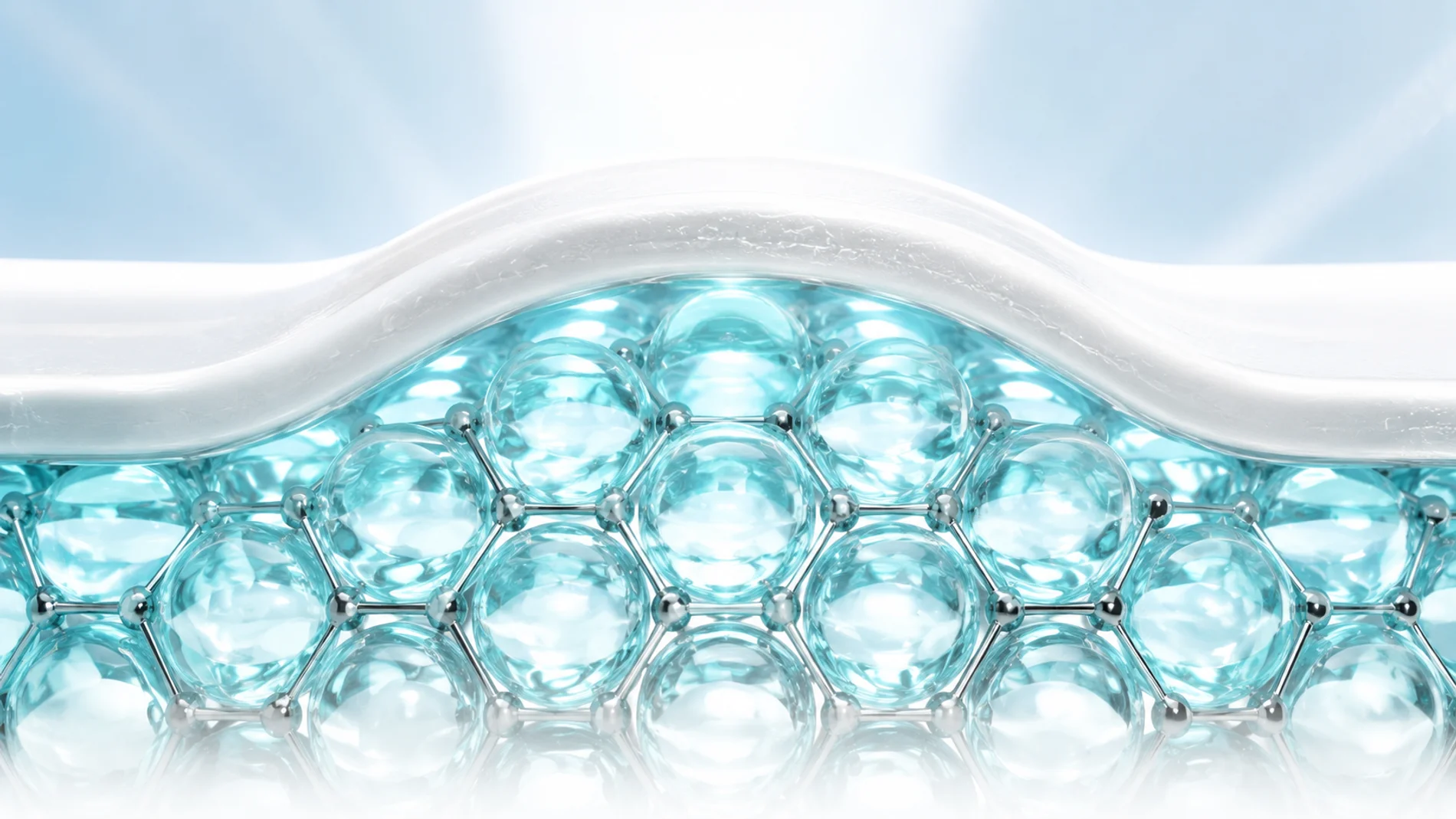
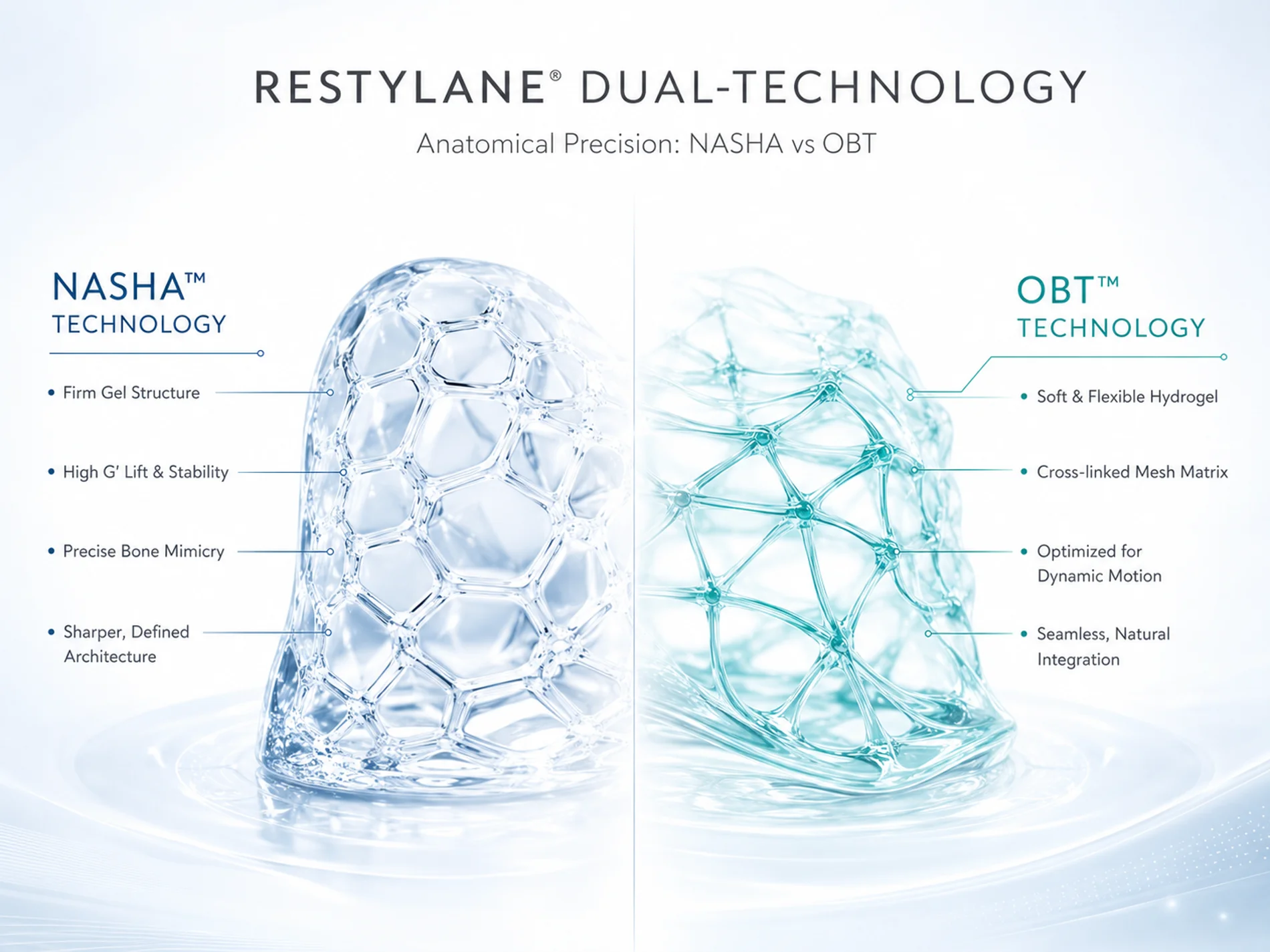
Dermal filler programs at Shayne & Co. Clinic utilize advanced, temporary, cross-linked Hyaluronic Acid (HA) soft tissue injectables. The system is engineered to address age-related volume depletion, support structural facial architecture, and refine contours with anatomical precision rather than altering your natural facial characteristics. By selecting globally recognized portfolios, this procedure delivers predictable, biocompatible, and completely temporary outcomes that offer international patients premium care without disrupting immediate travel commitments. Conclude your preparation knowing that every highly individualized strategy is grounded in an objective Skin Insight 360 multi-spectral imaging evaluation.
Core Mechanism of Action
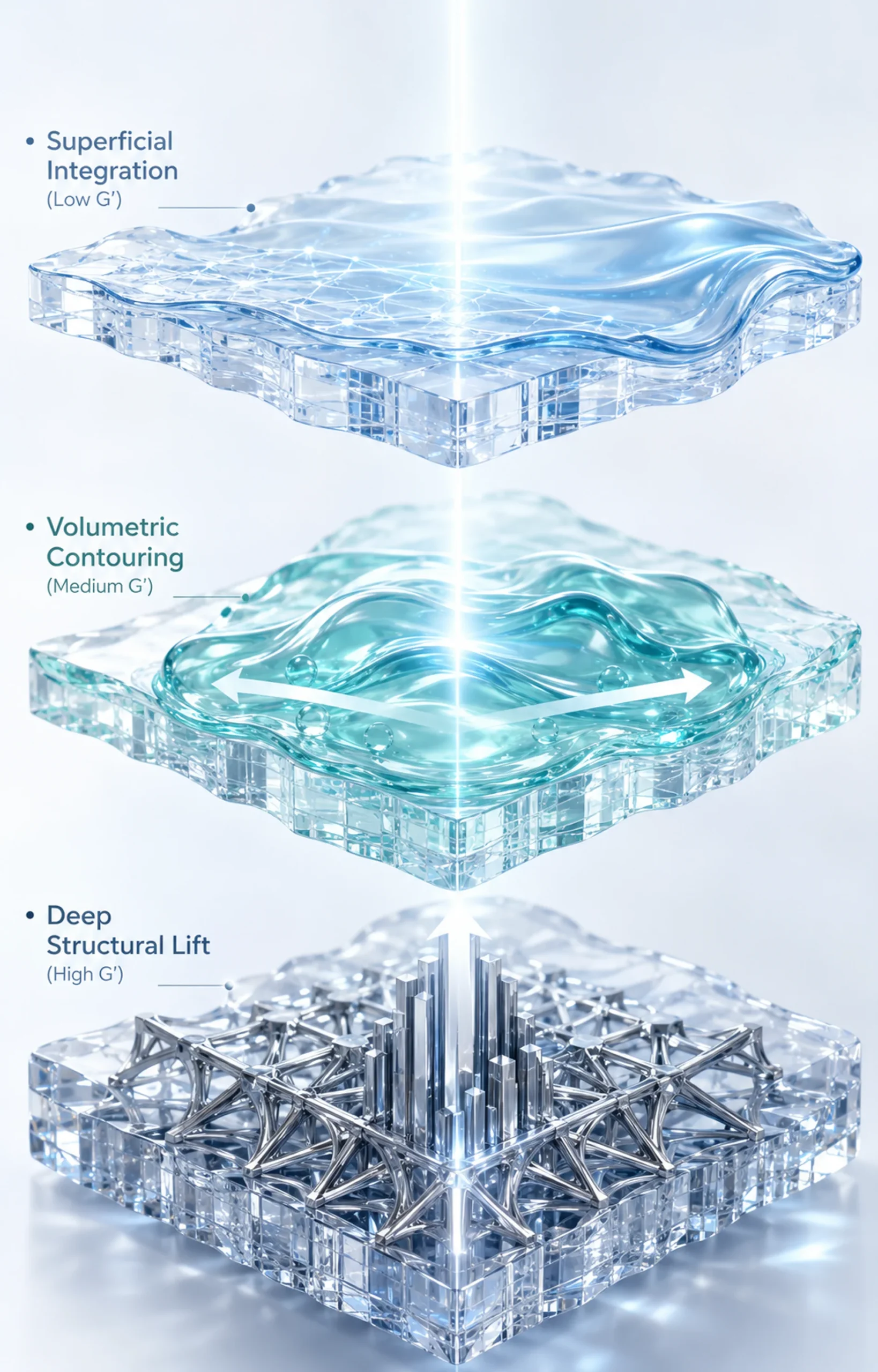
Hyaluronic acid is a naturally occurring glycosaminoglycan found within the human extracellular matrix. Chemical cross-linking transforms this molecule into a cohesive, biocompatible hydrogel that resists premature enzymatic degradation and performs functions across three primary target layers:
The Supraperiosteal Space
High $G’$ (storage modulus) fillers provide maximum firmness and lifting capacity, placed directly above the bone to provide deep structural support and mimic bone architecture.
The Subcutaneous Fat Compartments
Medium $G’$ fillers with optimal cohesivity cling together under lateral pressure, seamlessly integrating into dynamic facial compartments without migrating.
The Mid-to-Deep Dermis
Low $G’$ fillers featuring high flexibility treat superficial layers, binding water molecules efficiently to smooth fine lines, correct minor wrinkles, and support localized tissue hydration.
Key Indications & Targeted Areas
As facial tissues undergo chronological aging, structural shifts occur across multiple layers, including bone resorption and fat pad atrophy. Dermal filler applications are targeted to manage these specific concerns:
Midface Volume Atrophy
Softening the appearance of flattened cheek matrices and re-establishing balanced facial proportions.
Periorbital Hollows
Treating tear trough depressions and reducing the appearance of shadows cast by structural shifts.
Lower Facial Laxity
Refining poorly defined jawlines and improving chin projection to restore clear contours.
Deep Static Folds
Softening pronounced nasolabial folds and marionette lines that persist even when the face is at rest.
Perioral Refinement
Restoring subtle volume loss within the lips and managing fine, vertical superficial lines.
Structural Asymmetry
Balancing constitutional or acquired facial imbalances through precise, targeted micro-placements.
Clinical Benefits & Expected Outcomes
Because results rely on direct physical substitution and immediate hydrogel integration within the tissue matrix, changes appear immediately rather than abruptly.
- Visual Improvements: Immediate contour lifting, instant volume replacement in depleted hollows, softened deep folds, and refined facial symmetry.
- Sessions Required: A single meticulously planned clinical session is typically sufficient to execute the volume restoration strategy.
- Time to Result: Volume and contour enhancements are visible immediately, with the hydrogel stabilizing and integrating fully into the extracellular matrix over approximately 14 days.
- Longevity: Integrated product suites remain within facial tissues for a temporary window ranging from 6 to 18 months, depending on formulation architecture, placement depth, and metabolic rates.
Who May Be Suitable
Best suited to those with mild-to-moderate tissue laxity who want an efficient, travel-friendly solution. It is particularly valuable for:
A Skin Insight 360 evaluation during your visit confirms whether this protocol fits your profile.
- Volume Depletion Profiles Adult individuals experiencing mild-to-moderate volume loss due to chronological aging or weight fluctuations.
- Asymmetric tissue contours Patients presenting with localized structural asymmetry or distinct, acquired facial contour deficits.
- Reversible Choice Prioritizers Candidates seeking predictable, fully temporary, and immediately reversible options using hyaluronidase rather than permanent alterations.
- International Active Schedules Global travelers requiring high-standard medical tracking with minimal social downtime footprints.
Considering this protocol for your visit?
Book a ConsultationTreatment Experience & Workflow
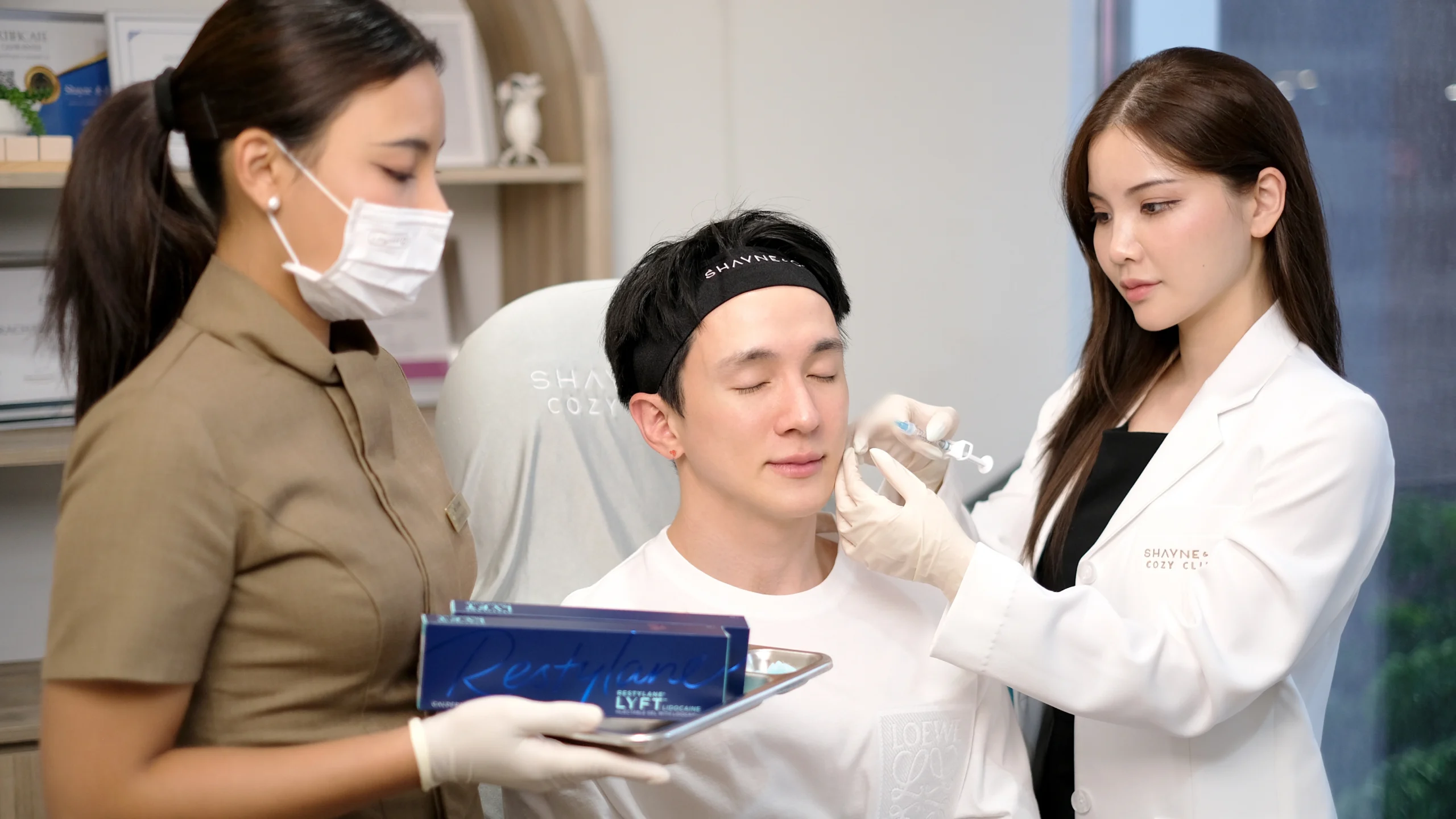
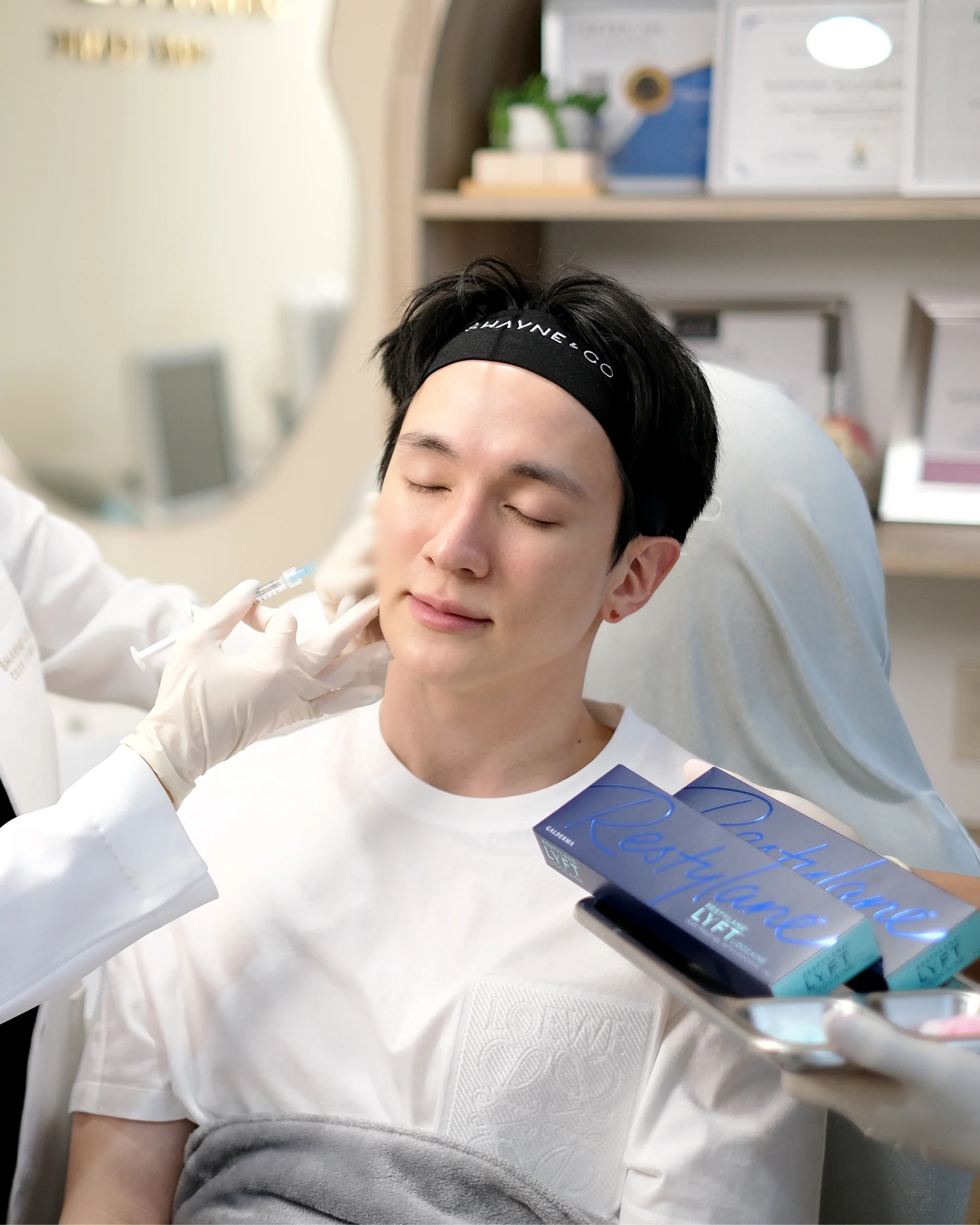
The procedure is structured around clinical safety, utilizing fine-gauge needles for micro-droplet precision or blunt-tipped micro-cannulas to optimize vascular safety.
-
1
Preparation
The clinician performs a detailed anatomical assessment and utilizes the Skin Insight 360 system to capture baseline scans and safe clinical routing data.
-
2
Comfort Management & Setup
The treatment zones are thoroughly sanitized, high-strength topical anesthetic may be applied, and the integrated lidocaine within the selected formulation prepares the site.
-
3
Active Procedure
The selected filler is precisely introduced into designated deep, subcutaneous, or dermal planes via micro-cannulas or fine needles.
-
4
Post-Treatment Stabilization
The clinician verifies facial symmetry and tissue integration, reviews post-care records, and logs placement coordinates for long-term tracking.
Before & After Care
Before Your Visit:
The program requires minimal preparation. The following guidelines support comfort and an even response:
- Skin Readiness: Ensure entry sites are entirely clean and free of active cutaneous infections, severe cystic acne, or open lesions.
- Supplement Guidelines: Avoid blood-thinning supplements, such as high-dose fish oils or vitamin E, for 3 to 5 days before your appointment to minimize bruising risks.
After Your Treatment:
The procedure typically involves minimal clinical downtime and is compatible with immediate travel. With the outer skin barrier intact, standard routines can be managed right away:
- Transient Reactions: Manage mild, localized swelling (resolves in 2 to 7 days), minor puncture redness, or occasional minor bruising.
- Activity Restrictions (First 24 Hours): Avoid strenuous exercise and cosmetics to minimize localized blood flow and prevent infection risks.
- Pressure Restriction (First 48 Hours): Do not apply firm pressure to the injection sites to prevent accidental displacement of the stabilizing hydrogel.
- Thermal Regulation (First 14 Days): Avoid extreme heat environments, such as commercial saunas, steam rooms, or direct sun exposure, to reduce prolonged inflammation.
- International Flight Timeline: Schedule your departure flight at least 48 hours following the procedure, as rapid shifts in aircraft cabin pressure can exacerbate early transient edema.
Following your session, the skin enters a phase of natural stabilization and tissue renewal. Adhering to these post-treatment guidelines will help support your results and maintain tissue comfort during the recovery period.
Ready to plan your session?
Book a ConsultationSafety Profile, Side Effects & Contraindications
Dermal filler suites from Restylane® and Juvederm® utilize fully temporary cross-linked hydrogels that offer immediate, verified reversibility via the enzyme hyaluronidase.
Common, Temporary Side Effects:
- Edema: Mild, localized swelling that naturally subsides within 2 to 7 days.
- Erythema: Minor skin flush at puncture points resolving within a few hours.
- Ecchymosis: Occasional minor bruising depending on individual vascular fragility, resolving in a week.
Contraindications:
- Cutaneous Pathology: Active cutaneous infections near the injection entry sites or severe active skin inflammation.
- Hypersensitivities: Known allergies or hypersensitivities to hyaluronic acid or integrated lidocaine hydrochloride.
- Systemic Exclusions: Systemic autoimmune disorders under active management, current pregnancy, or active lactation.
- Other Factors: Metallic implants, certain skin conditions, or recent isotretinoin — assessed at consultation.
Frequently Asked Questions
The integration period typically ranges from 6 to 18 months. Longevity depends heavily on the specific formulation architecture (such as its cross-linking density and $G'$ properties), the anatomical placement depth, and individual metabolic rates.
The Skin Insight 360 system allows our clinicians to evaluate subsurface vascular structures, pore characteristics, and tissue health. This detailed diagnostic profile guides highly individualized product placement and enables consistent, data-verified tracking of your facial structure over time.
We recommend waiting at least 48 hours before boarding a flight. This precautionary window ensures that the minor, transient swelling common after injections is not exacerbated by aircraft cabin pressure fluctuations.
Yes. One of the principal safety advantages of utilizing temporary, cross-linked HA fillers is their immediate reversibility. If adjustment is required, an injectable enzyme called hyaluronidase can be precisely administered to break down and dissolve the hydrogel matrix safely.
Yes. Advanced facial optimization often involves mixing formulations across distinct anatomical layers. For instance, a firmer Restylane® gel may be selected for deep structural support along the jawline, while a highly fluid Juvederm® gel is introduced superficially for natural lip hydration.
Dermal fillers physically replace volume beneath static lines and hollows that remain visible while the face is at rest. Botulinum toxin, conversely, temporarily relaxes the underlying muscles responsible for creating dynamic expressions, such as frown lines or crow's feet.
A fine-gauge needle allows for precise micro-droplet placement in targeted areas. A blunt-tipped micro-cannula is flexible and glides through subcutaneous tissue layers from a single entry point, which frequently reduces localized tissue trauma, bruising, and swelling.
Our clinicians possess advanced training in facial vascular anatomy. We utilize diagnostic baselines via Skin Insight 360, aspirate carefully prior to high-risk injections, employ blunt-tipped cannulas where clinically appropriate, and maintain immediate access to emergency dissolving protocols.
We advise avoiding blood-thinning supplements, such as high-dose fish oils or vitamin E, for 3 to 5 days before your appointment, provided this is medically safe for you. This conservative measure helps minimize the risk of minor bruising at the injection points.
No. Hyaluronic acid hydrogels integrate naturally within the microscopic spaces of the extracellular matrix. As the product breaks down safely over months, the surrounding skin layers gradually return to their pre-treatment baseline without residual stretching.

Consultation Process
Achieving elegant, balanced facial proportions requires highly specialized clinical insight, careful anatomical depth planning, and medically responsible standards of care. At Shayne & Co. Clinic, our clinical team maps out a comprehensive physical evaluation paired with a detailed Skin Insight 360 multi-spectral analysis to evaluate deep dermal thickness, explore subsurface vascular networks, and map structural layers. This advanced diagnostic data pathway eliminates estimation, reviewing your medical background to establish a tailored product depth layout suited safely to your structural facial anatomy. Arrange your individual clinical evaluation with our international coordination desk to streamline your care within your global travel timeline.
Book a Consultation